Reclaimed Ground: The Hidden Engineering and Environmental Battles Behind Jersey City's Gleaming Waterfront
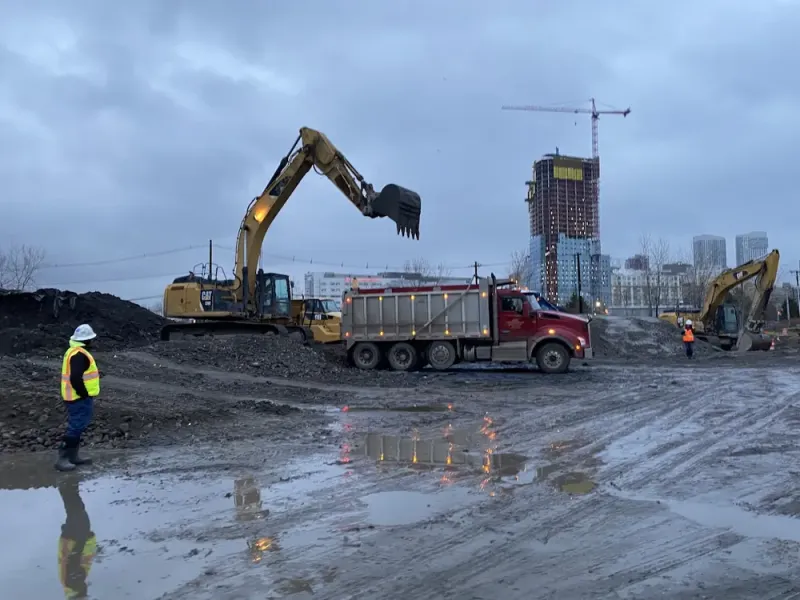
Photo: Jersey City waterfront Hudson River industrial remediation environmental cleanup construction, via acp-assets.sfo3.cdn.digitaloceanspaces.com
Beneath the manicured lawns and glass towers of Jersey City's Hudson River waterfront lies a far more complicated story — one of toxic soil, contested cleanup efforts, and decades of engineering labor that most residents never witnessed. Understanding how a corridor of industrial contamination became one of the most coveted stretches of public space in the New York metropolitan area requires confronting both the remarkable achievements and the unresolved questions that shaped the transformation.
A Shoreline Built on Industry's Remains
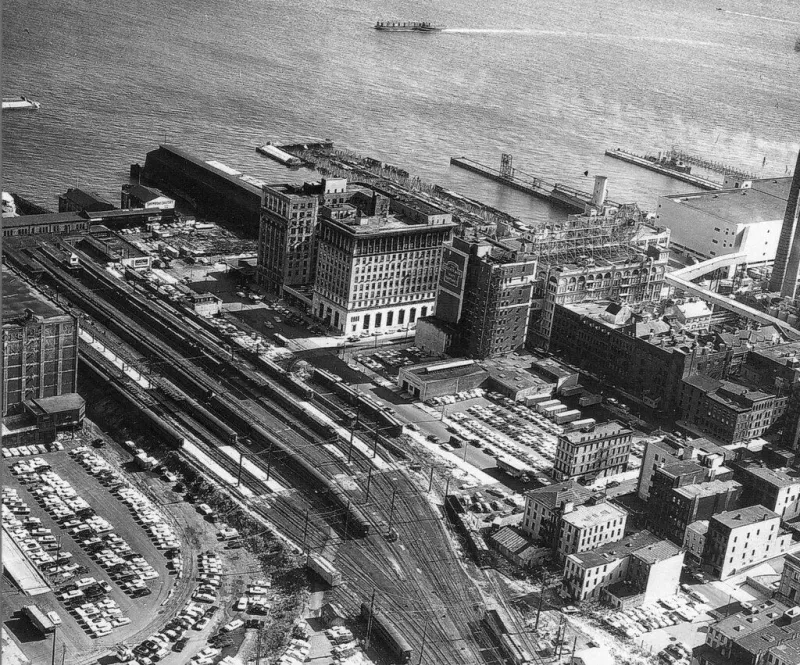
For much of the nineteenth and early twentieth centuries, Jersey City's waterfront was among the most productive industrial corridors in the United States. Rail yards, petroleum storage facilities, chemical plants, and manufacturing operations crowded the Hudson's western bank, generating enormous economic output and, in equal measure, profound environmental damage. When those industries began their long decline following World War II, they left behind not simply vacant land but ground saturated with heavy metals, petroleum byproducts, and chemical contaminants accumulated over generations of largely unregulated use.
The scale of contamination was not immediately apparent to the public. Fenced-off lots and crumbling infrastructure became familiar features of the post-industrial landscape, their internal conditions largely invisible. It was not until the environmental regulatory frameworks of the 1970s and 1980s — most notably the federal Superfund program and New Jersey's own Industrial Site Recovery Act — that systematic assessments began to reveal the true extent of what lay beneath the surface.
Environmental historians who have studied the waterfront's transformation note that the contamination was not uniform. Different parcels carried different burdens depending on their prior use, and the remediation strategies applied to each site varied accordingly. Some areas required extensive excavation and off-site disposal of contaminated soil. Others were addressed through containment approaches — capping and monitoring rather than removal — a method that has remained a source of ongoing debate among environmental advocates.
The Mechanics of Reclamation
The physical process of transforming these sites involved engineering challenges that are rarely acknowledged in the celebratory narratives surrounding Jersey City's waterfront revival. Much of the land along the Hudson was not simply contaminated — it was, in a literal sense, made. Landfill operations conducted throughout the late nineteenth and early twentieth centuries had extended the city's footprint into the river itself, creating ground that was inherently unstable and in many cases still settling decades later.
Constructing parks and residential developments atop this manufactured terrain required extensive geotechnical work. Engineers employed techniques including soil stabilization, deep foundation systems, and carefully engineered drainage infrastructure to ensure that new construction would not simply sink into the reclaimed ground beneath it. The Exchange Place and Newport neighborhoods, both constructed on former industrial and landfill sites, represent the cumulative product of this invisible labor.
Urban planners who participated in the early phases of waterfront redevelopment have described the remediation process as a negotiation among competing imperatives: speed, cost, environmental thoroughness, and the demands of developers eager to begin construction. The tension between these priorities shaped outcomes in ways that continue to reverberate. Certain parcels were remediated to residential standards; others were cleaned only to the less stringent requirements applicable to commercial or recreational use, a distinction that carries implications for long-term public health monitoring.
What Was Gained, and What Was Lost
The public amenities that emerged from this process are substantial. Liberty State Park, Hudson River Waterfront Walkway, and the various green spaces integrated into mixed-use developments have provided recreational access to the Hudson that was entirely unavailable to Jersey City residents during the industrial era. The environmental improvement in water quality and shoreline ecology has also been measurable, with the Hudson River's gradual recovery from its most degraded mid-twentieth-century condition benefiting the entire region.
Yet the transformation was not without cost in a more human sense. The industrial waterfront, despite its environmental burdens, had sustained working-class employment for generations of Jersey City families. Longshoremen, railroad workers, and plant employees whose livelihoods depended on the industrial corridor found themselves displaced not only from their jobs but, eventually, from neighborhoods that were themselves transformed by the economic pressures accompanying waterfront redevelopment.
Community advocates and historians have raised pointed questions about who ultimately benefited from the reclamation effort. The public parks are genuinely public, but the luxury residential towers and high-end retail that accompanied them reshaped the economic geography of adjacent neighborhoods in ways that accelerated displacement of longtime residents. The environmental remediation, in this reading, served simultaneously as a public health intervention and as the precondition for a real estate transformation that had profound and uneven social consequences.
Unfinished Business
Decades after the most intensive remediation efforts began, the work is not entirely complete. Certain sites along the waterfront remain under active monitoring agreements, and the containment-based approaches applied to some parcels require ongoing oversight to ensure that capped contamination does not migrate. State and federal environmental agencies maintain oversight roles, and periodic reassessments of site conditions continue.
The broader question of historical accountability — who bears responsibility for the contamination that required such extraordinary remediation effort — has never been fully resolved. The corporations that operated the facilities responsible for the most severe contamination are in many cases long dissolved or absorbed into successor entities through decades of corporate consolidation. Legal settlements provided some financial contribution to cleanup costs, but environmental historians note that the public ultimately absorbed a substantial portion of the remediation expense.
What Jersey City's waterfront reclamation ultimately represents is one of the more ambitious environmental engineering undertakings in the history of the New York metropolitan region — a project conducted largely out of public view, whose results are now enjoyed daily by thousands of residents and visitors who may have little awareness of what preceded them. The gleaming promenade along the Hudson is a genuine achievement. It is also a surface beneath which a more complicated history continues to rest.