Six Parks Before the Subway: Reconstructing the Hudson Waterfront's Forgotten Pleasure Grounds
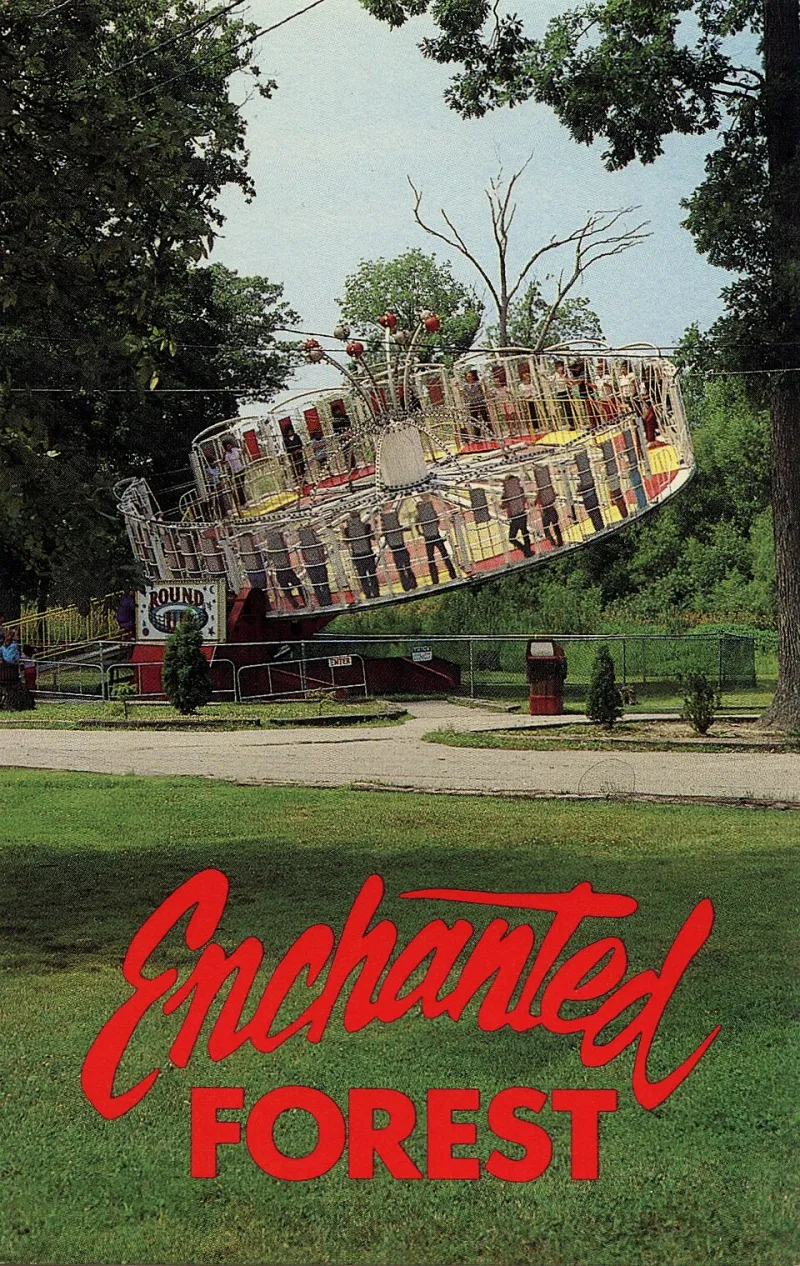
Photo: Steve Shook from Moscow, Idaho, USA, CC BY 2.0, via Wikimedia Commons
Every city has an amusement park in its past; Jersey City had several, and almost no one can name them now. That erasure is worth examining, because the pleasure grounds of the Hudson waterfront were not Coney Island's poor relations. For decades, they were where the working families of the region actually went.
1. West Side Park
The grandest of them all opened in the 1890s near what is now the western residential reaches of the city. West Side Park combined the standard amusement formula — a roller coaster, a carousel, a shoot-the-chutes ride that soaked the delighted and the oblivious alike — with the atmosphere of a proper urban park: bandstands, promenades, and shaded lawns where families who lived in cramped tenements could spend a Sunday pretending to be genteel.
Its decline traced the familiar arc. Trolley lines that once delivered crowds were supplanted by automobiles heading to larger destinations. Fires, ownership churn, and finally the economics of a shrinking catchment area closed it. Today the site is residential streets, and the only trace is a name on an occasional real-estate listing.
2. Riverview
Perched to take advantage of the escarpment above the city, Riverview offered what no Coney Island entrepreneur could: a genuine view of the Manhattan skyline, free with admission. Visitors recalled the steep approaches, the pavilion dances, and the particular pleasure of watching the city glitter across the water while an orchestra played.
3. The Beer Gardens and Picnic Groves
Less famous but arguably more beloved were the German-style beer gardens and private groves that dotted the waterfront and the Bergen hills. These were not amusement parks in the modern sense — no coasters, no barkers — but they functioned as the weekend anchor for entire communities. Turnvereins, singing societies, and church associations rented them for clambakes and gymnastics exhibitions. Their social function was enormous, and their records are nearly nonexistent.
4. The Hudson River Palaces
Excursion steamers made a business of pleasure itself, landing passengers at piers that functioned as pop-up entertainment districts for a day: dancing pavilions, food vendors, and impromptu games. For families who could not afford a full resort holiday, a steamboat excursion was the entire vacation.
5. The Trolley Parks
Scattered along streetcar lines at the city's edges were smaller parks built, often cynically, to generate weekend ridership. A few rides, a dance hall, a penny arcade — enough to sell fares on a Sunday. Most lasted barely a generation.
6. The Swimming Spots
Before industrial pollution closed the beaches, informal bathing spots along the Hudson and the bays drew swimmers by the thousands. Their disappearance is documented in this publication's other reporting on the estuary's decline; what bears repeating is that people once swam here recreationally, a fact that startles modern residents.
Why the Memory Died So Fast
Three forces converged. Fire was the great eraser — wooden structures on waterfront land burned with terrible efficiency, and insurers and owners rarely rebuilt. Land value did the rest: waterfront property that hosted a carousel could host a warehouse, then a highway, then a tower. And unlike Coney Island, which generated its own literature and mythology, these parks left few photographs, fewer souvenirs, and no defenders when the bulldozers came.
The result is a strange hole in the city's self-image. Jersey City remembers its factories and its immigrants; it has largely forgotten its own laughter. Recovering even the outlines of these places — the chutes, the dance floors, the skyline views — is a small act of restitution.