Where the Beds Lay: Communipaw's Oyster Dukes and the Empire They Fed
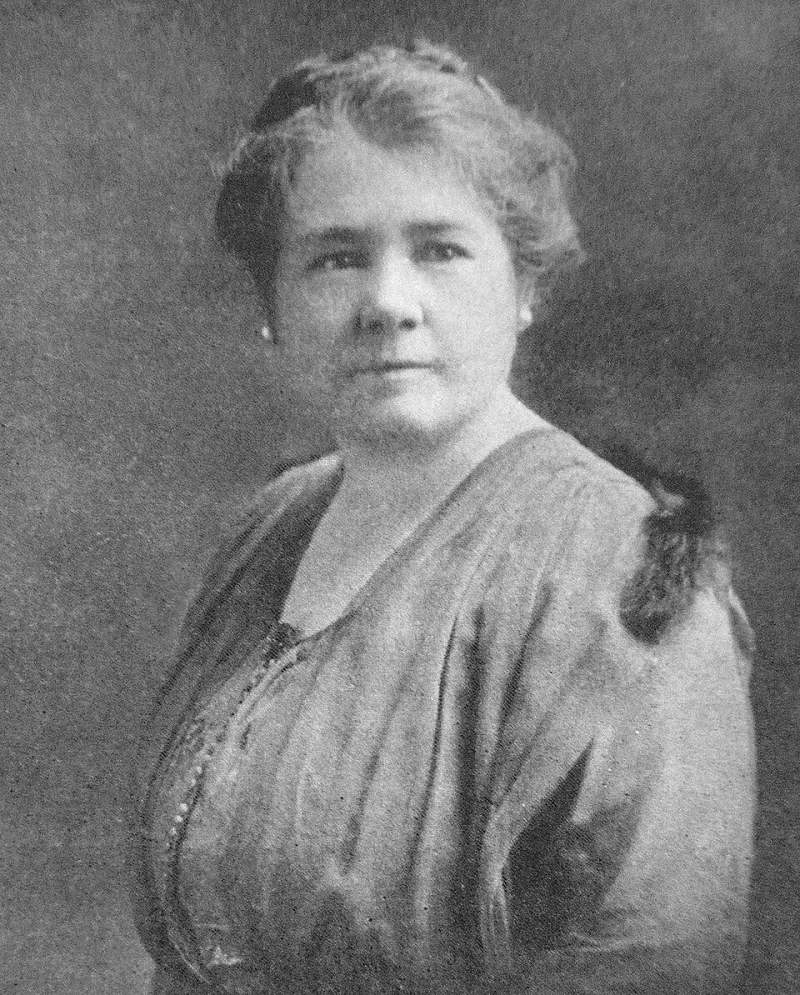
Photo: James & Merrihew, Public domain, via Wikimedia Commons
Long before the turnstiles of the PATH system carried commuters across the Hudson, the waters off Communipaw carried something else entirely: oysters by the barrelful. The Dutch settlers of the seventeenth century found the beds already harvested by the Lenape, and for the next two hundred years, the muddy shallows between Paulus Hook and Bergen Point would feed a growing metropolis.
A Village That Smelled of Money
Communipaw was never much to look at. Travelers descending from the Bergen hills described a scatter of shanties, drying racks, and sloops at anchor. Yet beneath that unprepossessing surface lay one of the region's genuine fortunes. The New York market — with its oyster cellars, its street vendors, its famous 'Canal Street plankeys' sold for pennies on the Bowery — depended almost entirely on the beds of Newark Bay, the Kill van Kull, and the waters off Communipaw.
The harvesters themselves formed what one might call a fishing aristocracy. Families whose names now survive mostly in property deeds and church registries staked claims to particular beds, passed down like orchards. Rakes were handed from father to daughter as often as to son; women worked the shallows in flat-bottomed scows, and widows commonly held and defended bed rights in their own names.
The Laws of the Mud
Because oysters attach themselves to whatever bottom they settle on, the question of who owned what was never academic. Colonial patent, riparian doctrine, and plain custom all collided in the shallows. By the nineteenth century, New Jersey had begun leasing underwater ground to individuals, effectively privatizing the bay floor — an arrangement that turned quiet harvesters into litigants and, occasionally, into saboteurs.
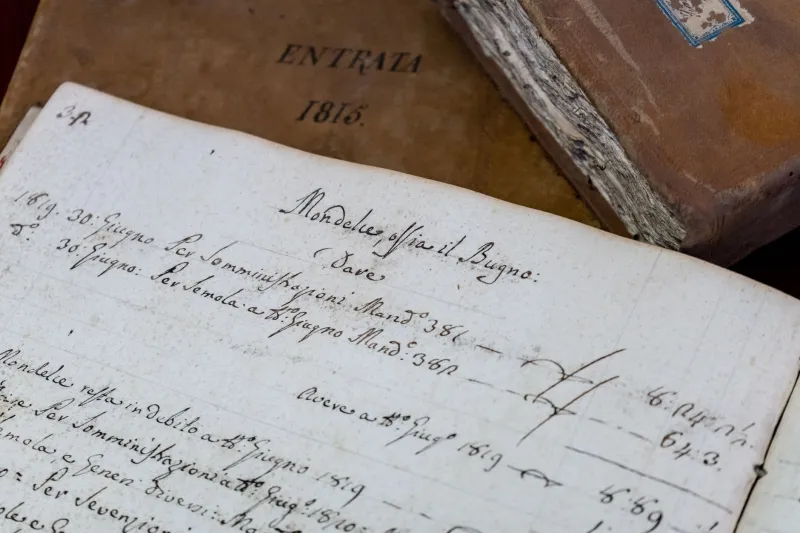
The so-called oyster wars that flared along the coast were not merely a Chesapeake phenomenon. In the waters off Communipaw and Bayonne, disputes over poached beds and 'tonged' grounds ended in cut anchor lines, sunken gear, and court dockets thick with depositions. The record shows families spending more on lawyers than their harvests earned — a slow-motion ruin that pollution would later finish off.
The Empire's Favorite Dish
It is difficult to overstate the oyster's place in the American appetite during this era. They were cheap protein for the workingman and a fashion statement for the wealthy, served raw, fried, stewed, and stuffed into patties bearing the names of every major city. New York consumed the Hudson estuary's harvest at an almost industrial pace, and Communipaw's boats kept pace for generations.
What Killed the Beds
The end came not with a single catastrophe but with an accumulation. Sewage outfalls, chemical discharges from the industrial corridor rising along the Passaic and Hackensack, and the general poisoning of the estuary made the harvest unsafe to eat by the early twentieth century. The beds were closed; the families dispersed or turned to other trades; the shanties gave way to rail yards and later to highway embankments.
Within a single lifetime, an industry that had shaped the shoreline's economy and culture was nearly erased from local memory. Few markers note it today.
The Quiet Return
Which makes the present moment worth attention. Restoration projects in the region — from the waters off Bayonne to the Hudson River estuary — are attempting to reestablish oyster reefs as living infrastructure, filtering water and buffering storm surge. Scientists and volunteers, many of them unaware of the deep history beneath their waders, are essentially re-founding what Communipaw's families built over centuries.
The oyster's return would not merely be an ecological milestone. It would be a correction of the record — a reminder that this city's waterfront was once a working landscape of extraordinary productivity, tended by people whose names deserve to be spoken again.